
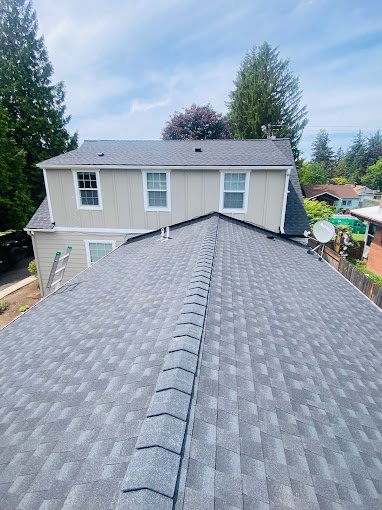
5 DIY Roofing Repair Tips
Before you grab a ladder and head up to the roof, make sure you know these essential safety tips and repair techniques to protect yourself and your home.
1. Scout Power Lines
You'll need a ladder to reach loose shingles or bent flashing on your roof. Just make sure you scout the power lines coming into your home before raising a metal ladder. Otherwise, you could cause yourself serious injury or even death. The Centers for Disease Control and Prevention estimate that roughly 350 people die each year as a result of electrocution, most from contact with overhead wires. If your roof repair requires you to work near live power lines, call a professional roofer.
2. Use Appropriate Footwear
Before you get on the roof, you want to make sure you are wearing appropriate footwear. Steep pitches, loose granules, rooftop algae, and other debris can make it very easy to fall from and seriously injure yourself while working on the roof. Wearing shoes that are specifically designed for walking on roofs is ideal, but if you don't have those, the next best thing is tight-fitting soft soled tennis shoes.
3. Use a Roofing Safety Harness
Attach a roof anchor and use a safety harness when you're on the roof. The roof anchor attaches securely to the rafters of your roof. The safety harness wraps around your body and distributes your weight properly should you slip and fall. You'll connect your harness to the anchor using strong rope and a carabiner.
4. Watch Out for Stinging Insects
Many components on roofs also double as excellent locations for insect nests. It is common to find wasp nests in the corner of soffits or inside of different vents. Before getting to work on your repair, scout the area you will be working on to make sure you don't accidentally bump into a nest and invite a swarm of attackers.
5. Wear Eye Protection
Most roof repairs require the use of nails or screws — sharp instruments that can cause severe damage should they come into contact with your eyes. Wearing protective eye goggles also keeps you from getting other types of debris in your eyes, including metal shards, wood splinters, granules from asphalt shingles, sawdust, and mold spores.